
Access Kalawao County Obituary Records
A Kalawao County obituary almost always ties to the Kalaupapa Settlement on Molokai. More than 8,000 people were sent to the settlement between 1866 and 1969, and most died there. The National Park Service now runs a patient register search, and the Hawaii State Archives holds the full record series. Ka Ohana O Kalaupapa helps families reconnect with ancestors sent to the peninsula. This page shows you how to search an obituary for Kalawao County, who to contact for Hansen's Disease records, and which cemeteries on the peninsula document each burial.
Kalawao County Overview
Kalawao County Kalaupapa Obituary History
The Kalaupapa Peninsula sits on the north shore of Molokai, behind cliffs that rise 2,000 feet. The Office of Hawaiian Affairs Kalawao County sheet calls this place an aina of kaawale, a land of isolation. The Kingdom of Hawaii began isolating people with Hansen's Disease, also called leprosy, at Kalaupapa in 1866. Most Kalawao County obituary entries link to that program.
Census numbers tell the story. In 1900 the settlement held 1,177 people. By 1940 the number was 446. In 1970 only 172 remained. In 2010 the count was 90. The peninsula ran as a settlement until 1969, when Hawaii ended the isolation policy. More than 8,000 individuals, mostly Native Hawaiians, died in Kalaupapa over those years.
Kalawao County remains a separate county on paper. It has no county seat, no elected officials, and no regular court or clerk. Vital statistics for the settlement live with the state through the Hansen's Disease Branch and with the National Park Service at Kalaupapa National Historical Park.
National Park Service Kalaupapa Records
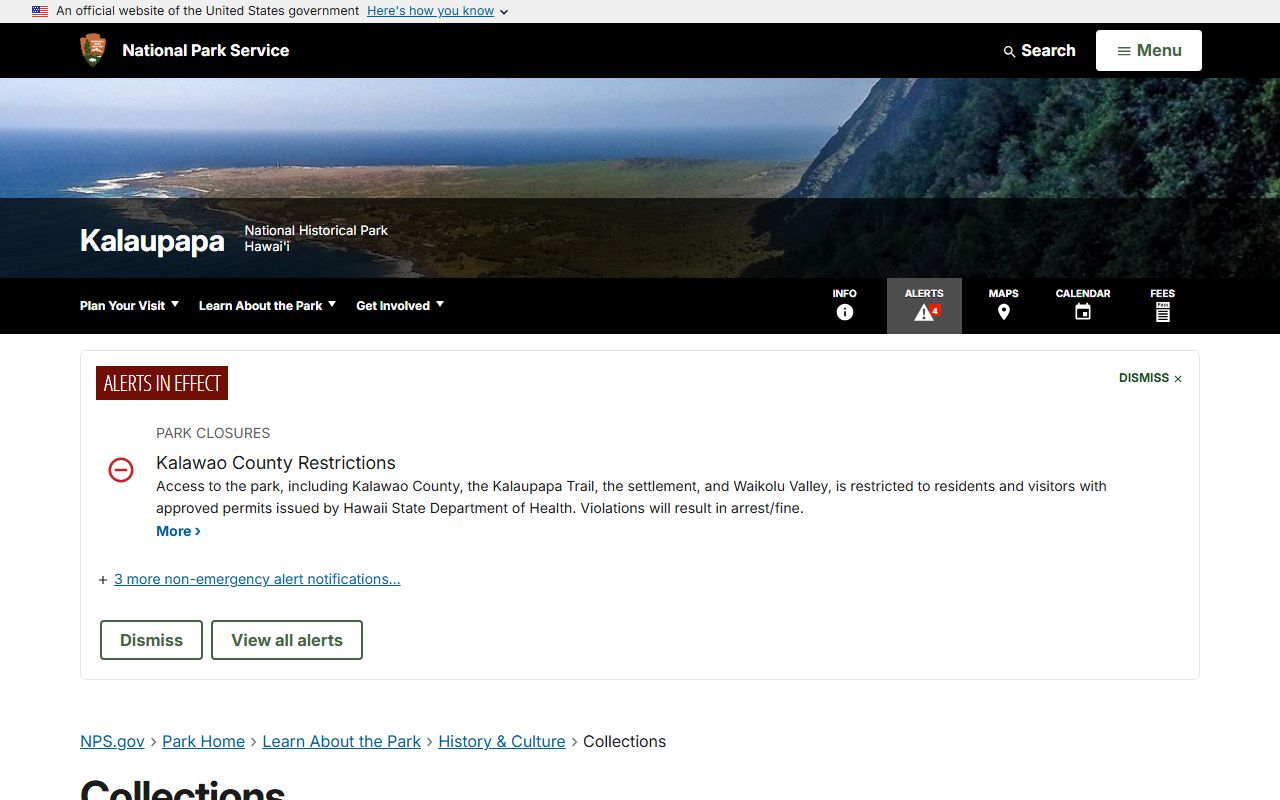
The National Park Service runs a Kalaupapa Patient Register Search that serves as the main index for Kalawao County obituary research. The searchable database draws on the "Register of Patients at the Hansen's Disease Settlement, Molokai." Researchers can search for individuals who were admitted to the settlement between 1866 and 1969. The page was last updated in December 2022.
To request full patient information, contact the Hansen's Disease Branch by email at hansensdisease.doh@doh.hawaii.gov or by post at 3267 Kilauea Ave, Room 102, Honolulu, HI 96816.
For a specific grave location, reach out to Kaohulani McGuire, Cultural Anthropologist at Kalaupapa, at kaohulani_mcguire@nps.gov. The Kalaupapa National Historical Park collection holds more than 300,000 objects, including 70 linear feet of archival documents. The museum collection covers the full history of Park Service management of the settlement since 1987.
Access to the collection is by appointment only, Monday through Friday from 8:00 a.m. to 3:30 p.m., except federal holidays. Museum Curator Katie Matthew handles appointment requests at katie_matthew@nps.gov. The Park Service partners with the Hawaii State Archives to preserve the full record set.
Note: Access to Kalaupapa patient records is regulated. Research requests must show a legitimate use tied to the settlement, its history, or family research.
Hawaii State Archives Kalawao Death Records
The Hawaii State Archives at 364 South King Street, Honolulu, holds the full inventory of Department of Health records for Kalaupapa. Call (808) 586-0329. The Records Relating to Hansen's Disease series covers 1866 to 1981 and runs 25.9 linear feet in 43 volumes.
Kalawao County maintained separate death records through several ranges:
- Kalawao Deaths Index, 1866-1876 (with 1890 A-K addendum)
- Kalawao Deaths, 1879 to 1890
- Record of Deaths in Leper Settlement, 1889-1923 (monthly)
- Kalawao Deaths, January 3, 1909 to October 4, 1912
- Kalawao Deaths, September 1, 1914 to October 5, 1917
- Kalawao Deaths, July 19, 1927 to November 24, 1931
Kalawao Marriages from 1909 to 1929 are also on file (volume HD-8). This confirms that Kalawao County kept its own vital statistics registration separate from the rest of the state. Patient registers include the name, date of entry, and date of death for each person at the settlement, plus special registers for residents of the Baldwin Home, non-leprous children born at the settlement, and the "kokuas" or volunteer helpers.
Kalaupapa Census and Family Records
The Ka Ohana O Kalaupapa Restoration of Family Ties program helps families trace relatives who were sent to the settlement. The program has records on more than 7,300 people sent to or born at Kalaupapa. More than 900 family members have already been reconnected with documents and photos. Ohana Coordinator Valerie Monson can be reached at vmonson@kalaupapaohana.org or (808) 573-2746.
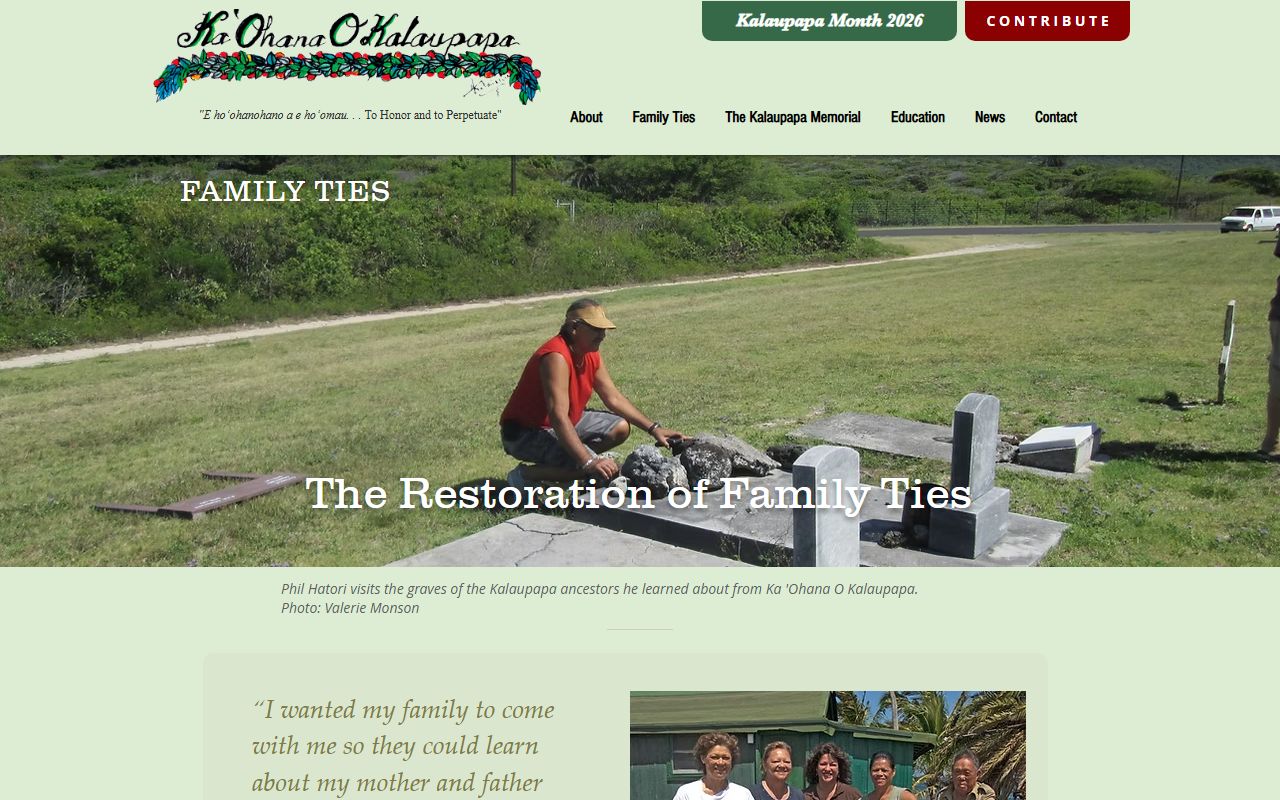
The program has helped people born at Kalaupapa obtain photographs of their parents for the first time.
FamilySearch holds the Hawaii Hansen's Disease Records, Kalaupapa Census Index (1839-1970). The collection came from the Hawaii State Archives and includes a census of individuals with Hansen's Disease, an index of parents of non-leprous children, and an index of people examined at Kakaako Hospital in Honolulu. Each record lists name, date entered settlement, age, and death date.
The Congregation of the Sacred Hearts Archives preserves photographs of Kalaupapa residents from the early 1900s. Some images show advanced stages of the disease. Best-identified items relate to Father Damien, who served leprosy patients at Kalaupapa for 16 years until his death in 1889. The archives work with Ka Ohana O Kalaupapa to help families identify ancestors in the photos.
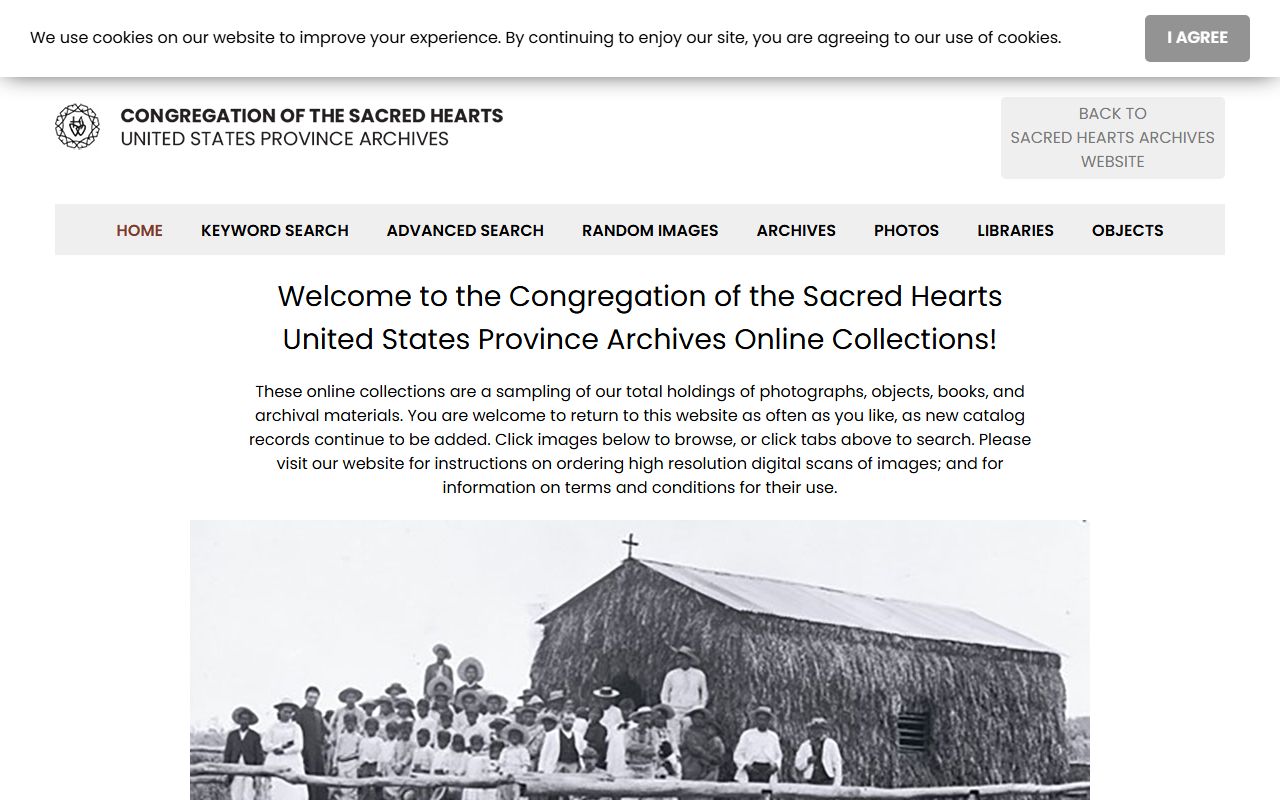
More than 600 portraits of Kalaupapa patients are still unidentified in the collection.
Kalawao County Cemeteries and Burial Records
Twenty cemeteries have been documented on the Kalaupapa peninsula at Kalawao, Kalaupapa, and near the Kauhako Crater. These cemeteries mark resting places of settlement residents and reflect their religious and ethnic ties.
The visible cemeteries represent only a small share of all who died at the settlement. Especially during the early years, most people did not receive a formal burial. Those who did often had makeshift crosses or wood markers that weathered away over time. Others are buried in overgrown areas across the peninsula. The 1946 tsunami swept away many headstones at Papaloa, so only a fraction of the original grave markers still stand.
In 1966 the State of Hawaii surveyed the cemeteries and documented the graves and other resources. In 1991 a directory to the grave markers in all the cemeteries on the peninsula was compiled for the National Park Service. The directory identified 1,089 graves in the eight Papaloa cemeteries and 238 graves in the four cemeteries north of the cattle guard. A 1994 inventory listed 939 grave markers. A 2003 condition assessment listed more than 1,300 markers.
Historic grave markers vary in size and style. Types include upright, raised, cross, flat, mausoleum, tomb, obelisk, post, pillow, slab, haka (urn house), and temporary signs. Materials include wood, rough lava stone, concrete, iron pipes, bronze plaques, granite, marble, and sand.
Related Hawaii Counties and Obituary Pages
Kalawao County has no qualifying cities of its own, since the population sits under 100 people. Kalawao is geographically part of Molokai, which is administered under Maui County for most services outside Kalaupapa. Families often search Maui County obituary listings for relatives who moved away from the settlement.